
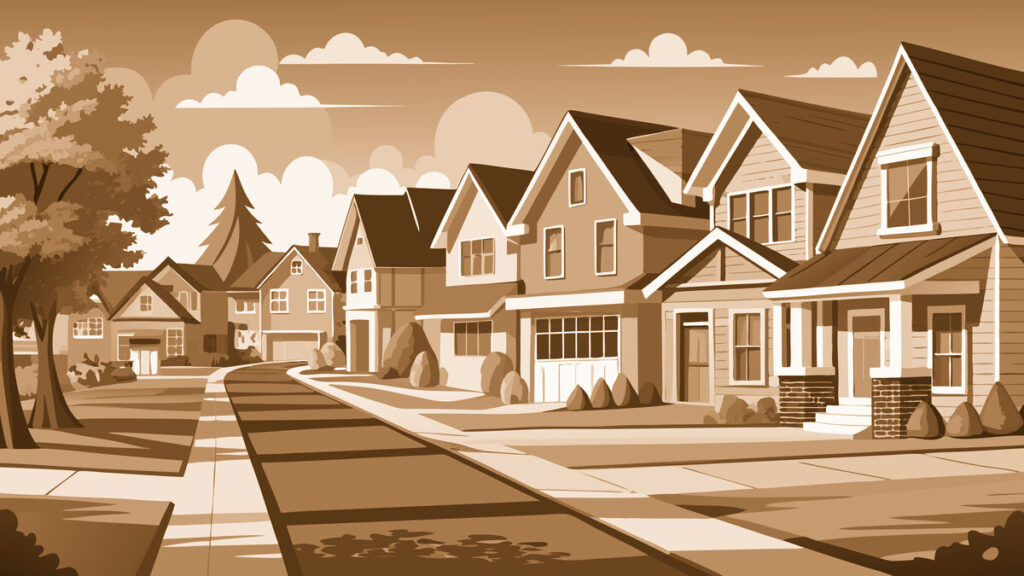
Nestled in the heart of Missoula, Montana, the Rose Park neighborhood stands as a living testament to the city’s history and the powerful sense of community that has grown here for over a century. From its floral beginnings to its tree-lined streets today, Rose Park’s story is woven with the lives of generations who have treasured its close-knit feel and inviting spirit.
The Origins: Humble Beginnings and Early Growth
The land that would eventually become Rose Park was once wild prairie, part of the larger expansion and settlement of Missoula in the late 19th and early 20th centuries. Around the 1910s and 1920s, as Missoula blossomed as a railroad and timber hub, the city began to expand outward from the downtown core. Rose Park’s central location just south of the Clark Fork River—bordered roughly by South Avenue, Higgins Avenue, Mount Avenue, and Russell Street—made it a prime site for new homes as families looked for a quieter, yet accessible place to put down roots.
How Rose Park Got Its Name
The neighborhood draws its name from the small, circular Rose Park located at the intersection of South Avenue and Brooks Street. Designed as a community green space during the early development of the neighborhood, the park was filled with carefully tended rose bushes—a reflection of both the optimism and the horticultural spirit of Missoula’s residents during those decades. These rose beds not only gave the area’s central park its name but also became a moniker for the surrounding neighborhood itself.
Key Historical Milestones
Rose Park’s growth mirrored Missoula’s changing fortunes over the decades:
- 1920s-1940s: Modest Craftsman and bungalow-style homes began to appear along the neighborhood’s core streets, including Mount Avenue and Blaine Street. Many of these homes, built for railroad workers, educators, and young families, still stand today, giving Rose Park its distinct architectural character.
- Post-WWII Expansion: Like much of the United States, Missoula experienced a housing boom in the 1950s. Rose Park’s tree-lined avenues saw an influx of ranch-style homes and new families, drawn by the proximity to top-notch schools and parks.
- Educational Institutions: The construction of Sentinel High School in 1957 on South Avenue solidified Rose Park as a family-centric neighborhood. Nearby, Paxson Elementary—at the corner of Higgins and Evans—has long been central to community life.
- Civic Engagement: The neighborhood has a strong tradition of involvement. The Rose Park Neighborhood Council, founded in the late 20th century, has been instrumental in maintaining the area’s charm, lobbying for safer crosswalks, and organizing park cleanups and block parties.
Landmarks and Notable Buildings
Walking the streets of Rose Park is like stepping back through time, with each block revealing its own piece of Missoula history:
- Rose Park (the park): Though small, this charming green is still stuffed with beds of vibrant, blooming roses each summer. It remains a favorite stop for dog-walkers, joggers, and children eager to clamber on the play equipment.
- Sacred Heart Church: Located on South Avenue, this beautiful brick church, built in 1952, serves as an architectural anchor and a place of worship for many locals.
- Vintage Homes: Many houses, particularly along Brooks Street and Blaine Street, retain their original wooden siding, wraparound porches, and decorative gables—a testament to the craftsmanship of the early 20th century.
- Sentinel High School: For decades, the school’s bell has marked the daily rhythm of the neighborhood, with generations of Missoulians passing through its halls.
- Community Murals: Recent years have seen a burst of creativity with several murals along side streets, reflecting both Missoula’s artistic streak and the neighborhood’s collaborative spirit.
Neighborhood Evolution: From Past to Present
While Rose Park has maintained much of its historic feel, the neighborhood has evolved in important ways:
- Diversity of Residents: Once home primarily to working-class families, Rose Park today attracts a blend of longtime Missoulians, young professionals, artists, and university students who value the walkable streets and welcoming vibe.
- Green Spaces and Sustainability: Residents have doubled down on green initiatives—increasing tree-canopy coverage, installing rain gardens to improve stormwater management, and supporting the expansion of bike lanes along South and Mount avenues.
- Local Businesses: The commercial stretch along Brooks Street boasts treasured institutions like Bernice's Bakery, mingling with new coffee shops and family-run stores.
- Maintaining Tradition: Despite urban pressures and the city’s overall growth, neighbors still gather for annual block parties, yard sales, and the legendary Rose Park Garden Tour every June, during which gardeners open their backyard horticultural masterpieces to all.
Why Rose Park Remains Special
Ask any Rose Park resident what keeps them here, and you’ll hear a common refrain: it’s the sense of continuity, community, and care. With easy access to both downtown and the University District, plentiful parks, and schools at its heart, the neighborhood remains a place where neighbors know each other by name and children ride their bikes along safe, shaded streets.
Whether you’re admiring the springtime blooms at Rose Park itself, or simply strolling under the canopy along Stephens Avenue as the sun sets behind Mount Sentinel, the neighborhood’s heritage is always present—a warm reminder that in Missoula, history is not just preserved, but lived daily. Rose Park stands as a beloved testament to the past and a bright beacon for Missoula’s future.